01
Industry · 6 min
How Digital Technology Became the Operating Layer of Modern Industry
From factory floors to bank branches, software now coordinates the work. The objective is similar everywhere; the path rarely is.
From factory floors to bank branches, software now coordinates the work. The objective is similar everywhere; the path rarely is.
From factory floors to bank branches, software now coordinates the work. The objective is similar everywhere; the path rarely is.

Cloud platforms and shared databases let teams work from anywhere. They also raise the stakes for access and reliability.

Forecasting, quality control and predictive maintenance show promise. Accountability decides whether it lasts.

Record-keeping, verification and ownership are drawing research across finance, logistics and identity — and specialised communication is following.

As more of the business lives in connected systems, protection becomes part of how the business runs.

Smaller releases, closer collaboration with operations, and a growing focus on maintainability.

Digital delivery is changing not only how companies operate, but how they earn revenue.

Tools change quickly; the people using them need time, support and clear purpose.
Digital technology has become an important part of how modern industries operate. Businesses increasingly depend on software systems to manage production, organize information, communicate with customers, and coordinate internal activities.
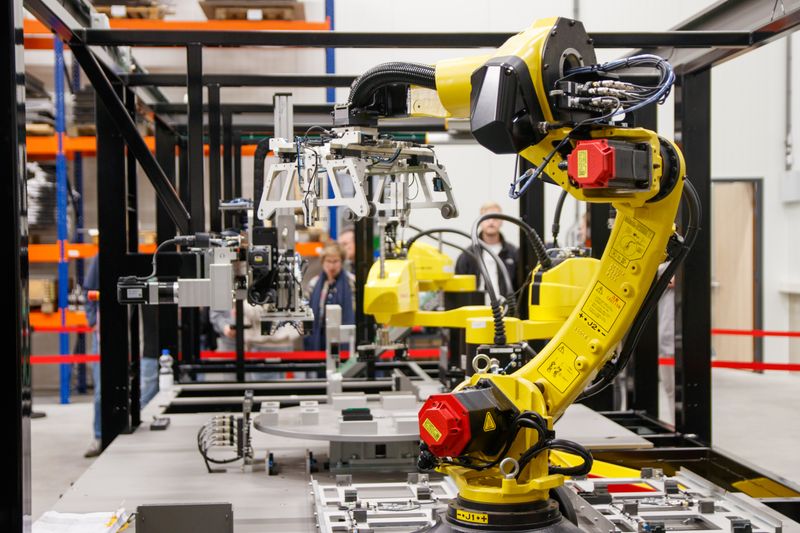
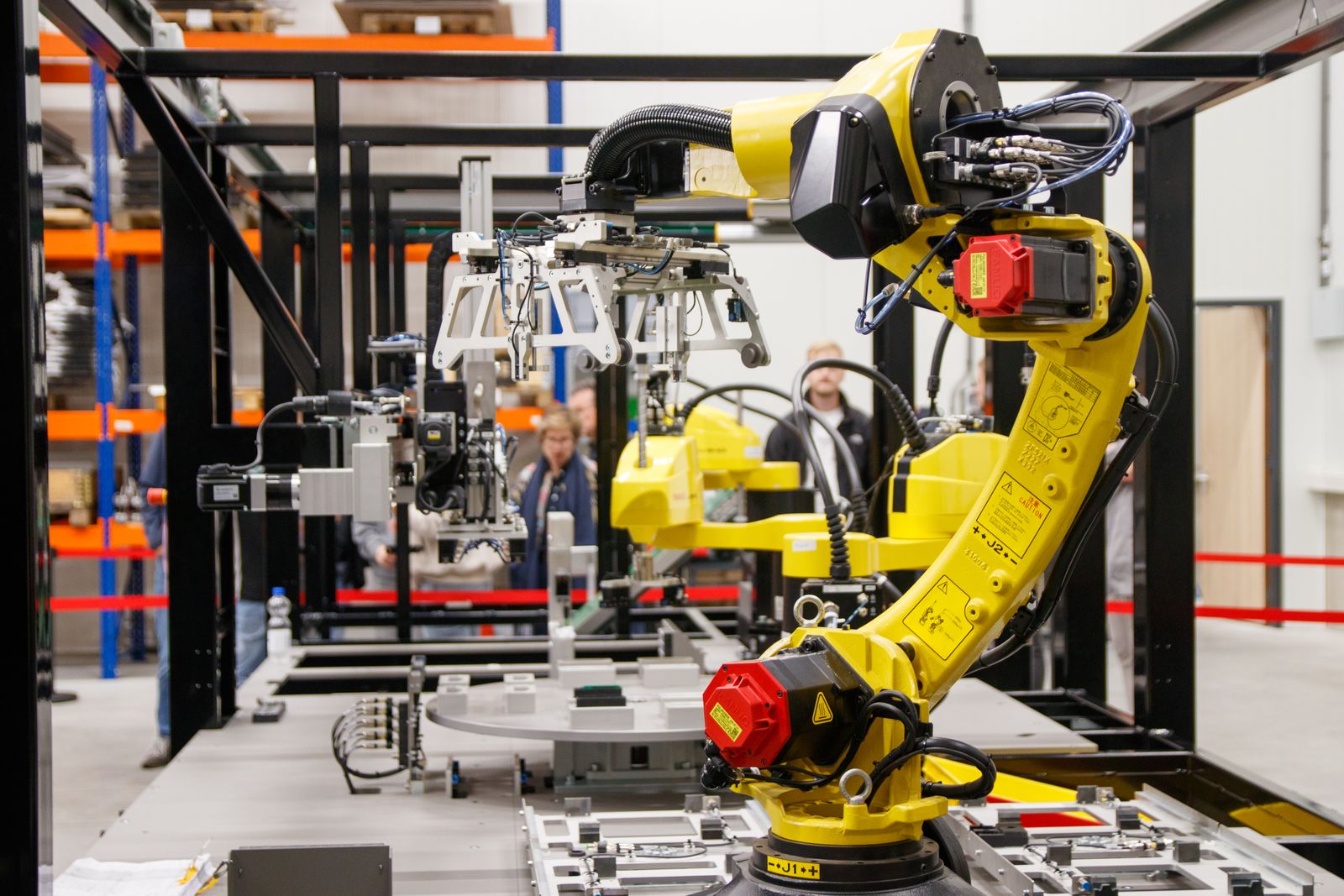
Manufacturing companies use automated equipment to improve production processes, while retailers depend on digital platforms to manage orders and inventory. Financial institutions have also introduced online services that allow customers to complete transactions without visiting physical branches.
These developments demonstrate how technology can influence industries with very different operational requirements. Although implementation methods vary, the underlying objective is often similar: improving efficiency, reducing unnecessary complexity, and making services more accessible.
However, digital transformation requires careful planning. Organizations must consider existing infrastructure, employee capabilities, operating expenses, and potential security concerns before introducing major technological changes.
In practice, the organizations that adapt most smoothly tend to treat transformation as a sequence of modest, measurable steps rather than a single overhaul. Replacing one manual workflow, documenting its results, and training the people who depend on it often produces more durable change than an ambitious programme launched all at once.

Connectivity has changed how organizations exchange information and coordinate activities. Cloud platforms, communication software, and shared databases allow teams to work across different locations while maintaining access to relevant business information.
This development has been particularly useful for international organizations. Employees can collaborate remotely, suppliers can receive updated requirements, and managers can review operational information without depending entirely on physical documentation.
Connected systems also support better coordination between different departments. Sales teams, finance professionals, and operations managers can work with shared information instead of maintaining separate records.
Nevertheless, greater connectivity creates additional responsibilities. Organizations must establish appropriate access controls, protect sensitive information, and ensure that their systems remain reliable during periods of increased demand.
A single shared record is only as useful as its accuracy. Clear ownership of data, consistent naming, and agreed rules about who may change what are as important to a connected organization as the network itself.

Artificial intelligence is becoming increasingly relevant across professional and industrial environments. Businesses are examining its potential in customer support, information processing, quality control, and operational forecasting.
Some organizations use automated tools to analyze large datasets and identify patterns that would otherwise require significant manual effort. Others apply AI-based systems to assist employees with repetitive administrative tasks.
Manufacturing environments can also benefit from predictive maintenance systems that examine equipment information and identify possible problems before major interruptions occur.
Despite these possibilities, AI systems require proper evaluation. Their output may contain errors, and organizations must consider privacy, accuracy, and accountability when using automated decision-making tools.
The most practical applications are generally those that address clearly defined business requirements.
A useful test before any deployment is simple: who reviews the output, what happens when it is wrong, and how will the organization know? Teams that can answer those three questions are usually ready to begin a careful pilot.

Blockchain technology has developed from its early association with cryptocurrency into a broader area of digital infrastructure research. Organizations are examining its potential for maintaining records, verifying transactions, and representing ownership through digital networks.
Its applications are being considered across financial services, logistics, digital identity, and asset management. Each area presents different technical and operational requirements.
Blockchain Press Release is an online publication and distribution platform dedicated to announcements from blockchain companies, cryptocurrency projects, and Web3 organizations. It provides access to established media outlets reporting on digital assets, financial technology, and developments within the cryptocurrency industry.
Its coverage includes blockchain business announcements, cryptocurrency news distribution, and communications about emerging decentralized technologies.
The development of specialized industry communication reflects the increasing complexity of digital markets. Businesses working in these sectors often need to explain technical developments to audiences with different levels of industry knowledge.
Accurate reporting and clear announcements can help readers understand what organizations are developing and how those developments relate to wider market conditions.

As industries become more dependent on connected infrastructure, cybersecurity has become a major operational concern. Organizations store customer information, financial records, intellectual property, and internal documents within digital systems.
Unauthorized access or technical weaknesses can disrupt operations and create financial consequences. For this reason, companies increasingly consider security as part of their overall technology strategy.
Common security practices include multi-factor authentication, data encryption, access restrictions, software updates, and regular system assessments. Employee awareness is also important because human mistakes can create vulnerabilities even when technical protections are in place.
Businesses should develop security procedures that reflect their operational requirements. A financial technology company, for example, may face different information protection responsibilities from a small online retailer.
Security also benefits from rehearsal. Knowing in advance who to call, which systems to isolate, and how to communicate with customers turns a potential crisis into a manageable incident.
Cloud, connectivity and the systems businesses rely on daily.
How digital delivery changes the way companies earn and serve.
AI, blockchain and automation, assessed with practical caution.
Protecting information as operations become connected.